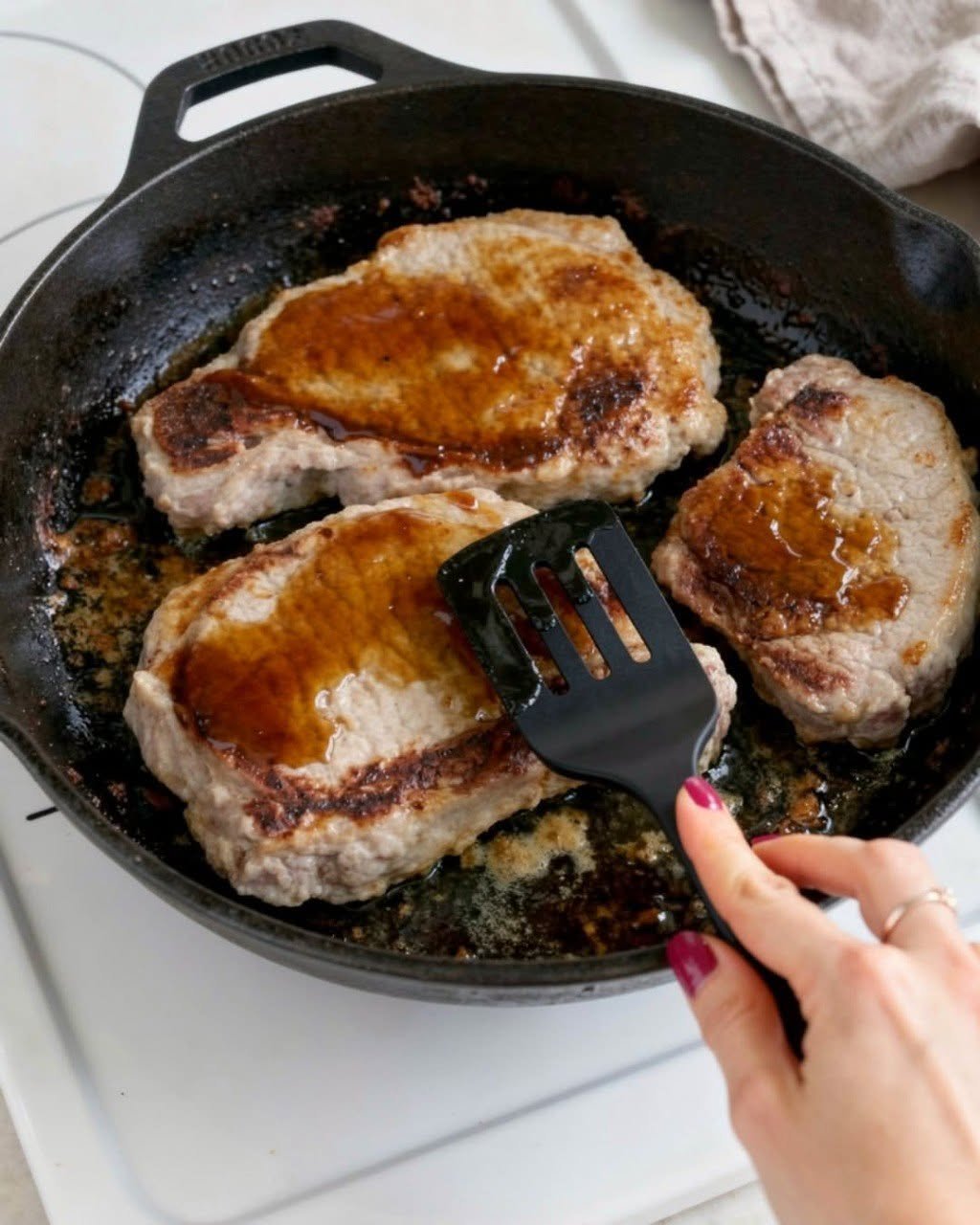
There’s something weirdly frustrating about pork chops.
They look simple. They’re sold everywhere, usually affordable, and honestly? They should be one of the easiest dinners to pull off on a busy weeknight. Yet somehow, so many pork chops end up tasting like cardboard with grill marks. Dry in the middle. Tough around the edges. A little sad.
And the worst part is that most people think that’s just how pork chops are supposed to be.
They’re not.
A good pork chop should be juicy, savory, deeply flavorful, and tender enough that you don’t need a steak knife and a prayer to get through dinner. When cooked properly, pork has this rich, almost buttery quality that people forget exists because they’ve spent years overcooking it.
Honestly, pork chops have been misunderstood for decades.
And a lot of it comes down to old habits that never really left American Kitchens.
Pork Got Stuck With A Weird Reputation
For years, pork was marketed as “The Other White Meat.” You probably remember the slogan. The campaign worked — maybe a little too well.
People started treating pork like Chicken breast. Lean, pale, cooked until absolutely no pink remained anywhere. That mindset quietly trained generations of home cooks to overcook pork by default.
The thing is, pork isn’t Chicken. It never was.
Good pork has richness. It has fat. It has character. And unlike chicken breast, pork actually tastes incredible with just a hint of blush in the center.
The USDA now recommends cooking pork to 145°F followed by a short rest period. That’s safe. Completely safe. And yes, the middle may still look slightly pink.
That tiny bit of pink? That’s usually where the magic lives.
The Fear Of Pink Pork Runs Deep
Let me explain.
A lot of people grew up hearing horror stories about undercooked pork and trichinosis. Back in the day, those concerns were legitimate. Pork production standards were different decades ago, and people were taught to cook pork until it was thoroughly gray all the way through.
see continuation on next page