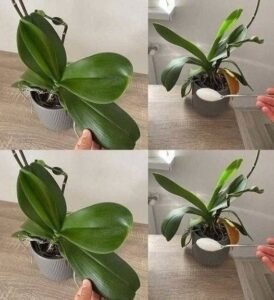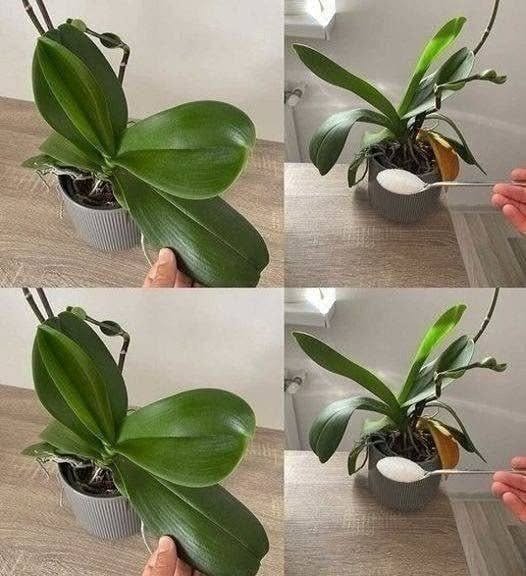
Orchids are among the most admired flowering plants in the world. Their elegant blooms, exotic appearance, and impressive longevity make them a favorite choice for homes and offices alike.
However, many orchid owners struggle with one common problem: getting their plants to bloom consistently.
After flowering ends, some orchids may spend months producing only leaves and roots, leaving growers wondering what went wrong.
While light, temperature, humidity, and watering all play important roles, proper fertilization can also have a significant impact on orchid health.
Why Fertilizer Matters
Like all plants, orchids require nutrients to support growth and flower production.
The most important nutrients include:
- Nitrogen for leaf growth
- Phosphorus for root development and flowering
- Potassium for overall plant strength
Without adequate nutrition, orchids may survive but struggle to produce strong flower spikes.
The Common Mistake: Too Much Fertilizer
Many beginners assume that more fertilizer means more flowers.
In reality, excessive fertilization often causes problems such as:
- Burned roots
- Salt buildup in the growing medium
- Yellowing leaves
- Reduced flowering
- Stressed plants
This is why experienced orchid growers often follow the principle:
“Feed lightly but regularly.”
Why a Small Amount Works Better
A carefully measured dose allows orchid roots to absorb nutrients gradually.
Instead of overwhelming the plant, gentle feeding supports:
- Healthy root growth
- Stronger leaves
- Better energy storage
- Improved flower production
Because orchid roots are sensitive, moderate feeding is usually far more effective than heavy applications.
Creating an Orchid-Friendly Feeding Routine
Consistency is often more important than quantity.
Many orchid enthusiasts prefer applying diluted fertilizer during active growth rather than large doses occasionally.
A balanced approach may include:
- Watering first to moisten roots
- Applying diluted fertilizer afterward
- Flushing the pot occasionally with plain water
- Reducing feeding during dormant periods
Supporting Bloom Production
Fertilizer alone cannot guarantee flowers.
Successful blooming depends on several factors working together:
- Bright indirect sunlight
- Healthy roots
- Good air circulation
- Proper watering practices
- Suitable temperatures
- Balanced nutrition
When these conditions are met, orchids are more likely to produce strong flower spikes and long-lasting blooms.
Understanding Continuous Bloom Claims
Many online articles promise nonstop flowering throughout the entire year.
While some orchid varieties bloom multiple times annually, continuous flowering is not typical for most species.
Orchids naturally cycle through periods of:
- Growth
- Root development
- Flower spike formation
- Blooming
- Rest and recovery
These cycles are normal and help maintain long-term plant health.
Additional Tips for Thriving Orchids
see continuation on next page